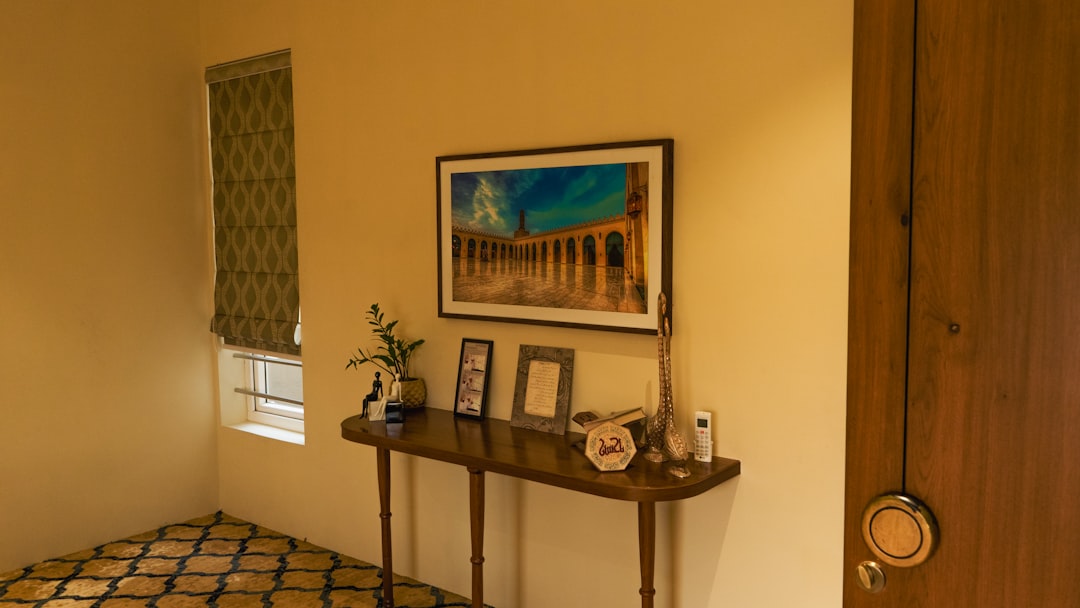
Interior Painting Guide: Professional Results on Any Budget
After painting dozens of rooms in my homes, I have learned the secrets to professional-quality results. In this comprehensive guide, I will share everything I know about interior painting, from choosing the right paint to the final details. You can achieve beautiful results without hiring expensive contractors.
Planning Your Project
Determine Scope
Before buying anything, decide:
- Which rooms and how much wall space
- Current colors being covered
- Desired finish and quality
- Timeline and budget
Calculate Paint Needs
General rule: One gallon covers 350-400 square feet. Calculate:
- Measure each wall (height x width)
- Subtract windows and doors
- Add 10% for waste
- Divide by 350 for gallons needed
Choosing the Right Paint
Paint Types
- Flat: Matte finish, hides imperfections, not washable
- Eggshell: Slight sheen, durable, good for most rooms
- Satin: Soft sheen, washable, good for kitchens/baths
- Semi-gloss: Shiny, very durable, good for trim
- Gloss: Highest shine, for doors and cabinets
Quality Matters
I always use premium paint because:
- Better coverage (fewer coats)
- Easier application
- Greater durability
- Better color retention
Color Selection Tips
- Test samples on walls before committing
- Consider natural light (colors shift)
- Think about flow to adjacent rooms
- Use color psychology for each room
Essential Supplies
Must-Have Tools
- Paint brushes (2-3 inch angle for trim, 4+ inch for walls)
- Roller covers (nap thickness matches wall texture)
- Roller frame and extension pole
- Paint tray and liner
- Drop cloths (canvas, not plastic)
- Painter’s tape
- Stir sticks and paint opener
Nice-to-Have
- Paint shield
- Corner tool
- Paint additive (for smoother finish)
- Sprayer for large areas
Room-by-Room Guide
Living Room and Bedrooms
Best choices: Eggshell or satin
My favorite colors:
- Warm whites (Swiss Coffee, Creamy)
- Soft grays (Revere Pewter,Agreeable Gray)
- Classic beige (Edgecomb, Navale)
Kitchen and Bathroom
Best choices: Satin or semi-gloss
These rooms need washable, moisture-resistant paint.
Trim and Doors
Best choices: Semi-gloss or gloss
These highlight details and are easy to clean.
Step-by-Step Process
Day 1: Preparation
- Remove furniture or move to center
- Cover floors with drop cloths
- Remove switch plates and outlet covers
- Clean walls
- Fill holes with spackle
- Sand smooth
- Apply painter’s tape
Day 2: Priming and Painting
- Apply primer if needed
- Cut in edges with brush
- Roll main areas in W pattern
- Maintain wet edge
- Allow first coat to dry
- Apply second coat
Day 3: Finishing
- Remove tape while paint is slightly tacky
- Touch up any missed spots
- Clean brushes and rollers
- Reinstall fixtures
- Enjoy your new room!
Pro Tips for Better Results
- Quality tools matter: Cheap brushes leave streaks
- Don’t overload roller: Excess paint causes drips
- Maintain wet edge: Prevents lap marks
- Light matters: Inspect in different lighting
- Take breaks: Fatigue shows in results
Budget Tips
- Wait for paint sales (Memorial Day, Labor Day)
- Buy mistints for less
- Use quality paint on accent walls, cheaper on others
- Rent rather than buy specialized tools
Conclusion
Interior painting is one of the most rewarding DIY projects. With proper planning, quality materials, and patience, you can transform any room. The savings are substantial, and the satisfaction of doing it yourself is priceless.