Introduction
I have been fixing things around my home for over ten years, and I still remember the first time I successfully repaired a leaking faucet. It was 2015, and I had already paid three plumbers over $400 for the same problem. Frustrated, I watched YouTube videos, bought a $30 pipe wrench, and fixed it myself in 20 minutes. That moment changed how I approach home maintenance forever.
In this comprehensive guide, I will share the essential home repair skills that every homeowner should know. These are skills I have learned through trial and error, expensive mistakes, and countless hours of practice. Whether you are a new homeowner or have been maintaining a home for years, this guide will help you save money and feel more confident handling common repairs.
Why Home Repair Skills Matter
Learning basic home repair is not just about saving money—it is about maintaining your property value and preventing small problems from becoming expensive disasters. Here is why these skills matter:
- Save money: The average plumber charges $75-150 per hour. Learning basic plumbing can save hundreds annually
- Quick responses: When something breaks at 11 PM, you do not have to wait for emergency services
- Property value: Well-maintained homes retain value better
- Pride of ownership: There is satisfaction in fixing things yourself
My Journey: From Disaster to Competence
My path to learning home repair was not smooth. I have made every mistake possible:
- Over-tightened a toilet supply line, causing a flood that damaged my basement ceiling
- Used the wrong type of tape on gas lines (never do this!)
- Installed a ceiling fan incorrectly and had it fall from the ceiling
- Used drywall screws instead of nails for trim, causing the wall to crack
Each mistake taught me something valuable. The $2,000 flood repair taught me about proper tool use. The ceiling fan incident taught me about weight distribution and secure mounting. These lessons cost me money but made me a better, more careful DIYer.
Essential Tools Every Homeowner Needs
Before starting any home repair project, you need the right tools. Here is my recommended starter kit with approximate prices:
- Hammer: $15-25 — 16 oz claw hammer is versatile
- Screwdriver set: $20-40 — Both Phillips and flathead, multiple sizes
- Adjustable wrench: $15-25 — For pipes and nuts
- Pliers: $15-30 — Needle-nose and regular
- Tape measure: $10-20 — 25 ft minimum
- Level: $15-30 — 24-inch is versatile
- Utility knife: $10-20 — With replaceable blades
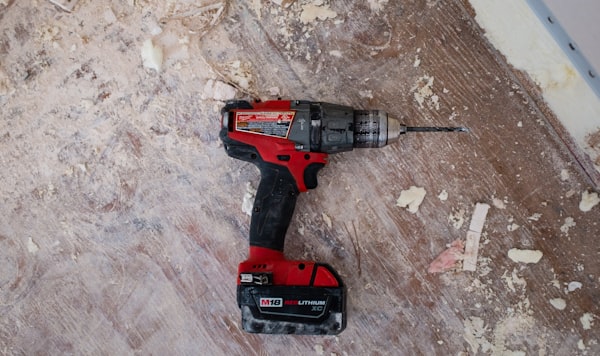
- Drill: $50-150 — Cordless is more convenient
- Flashlight/Headlamp: $15-30 — Hands-free is essential
- Safety glasses: $10-20 — Always wear eye protection
Total starter investment: $175-400
Skill 1: Fixing a Leaky Faucet
This is usually the first repair most homeowners face. Here is how to handle it:
Tools needed:
- Adjustable wrench
- Screwdriver
- Replacement washers ($2-5)
Steps:
- Turn off water supply valves under the sink
- Remove the faucet handle (usually one screw)
- Remove the packing nut with a wrench
- Pull out the stem
- Replace the washer at the bottom
- Reassemble in reverse order
My tip: Take photos at each step. It makes reassembly much easier.
Skill 2: Unclogging Drains
Before calling a plumber, try these methods in order:
Method 1: Plunger
Fill the sink with a few inches of water. Create a tight seal and plunge vigorously for 30 seconds.
Method 2: Drain Snake ($20-40)
Insert the snake into the drain and rotate while pushing. When you feel resistance, rotate to catch the clog and pull it out.
Method 3: Baking Soda and Vinegar
Pour 1/2 cup baking soda, then 1/2 cup vinegar. Wait 15 minutes, then flush with hot water.
What NOT to use: Chemical drain cleaners. They can damage pipes and are harmful to handle.
Skill 3: Patching Drywall Holes
Small holes from nails or screws are easy. Here is how:
- Drive any screws/nails flush with the wall
- Apply spackle with a putty knife
- Let dry (2-4 hours)
- Sand smooth
- Apply primer and paint
For larger holes (up to 6 inches):
- Cut the hole into a neat square
- Cut a drywall patch slightly smaller
- Apply drywall tape around edges
- Apply joint compound in layers
- Sand smooth between layers
Skill 4: Replacing Light Switches and Outlets
⚠️ SAFETY FIRST: Always turn off the circuit breaker before working on electrical!
- Turn off the breaker and verify with a voltage tester
- Remove the cover plate and switch screws
- Take a photo of wire connections
- Disconnect wires from the old switch
- Connect wires to the new switch (matching the photo)
- Secure the switch and replace the cover
Cost: $5-15 for a new switch vs. $75-150 for an electrician.
Skill 5: Caulking Windows and Doors
Proper caulking prevents drafts and reduces energy bills. Here is the process:
- Remove old caulk with a utility knife
- Clean the area with rubbing alcohol
- Cut the caulk tube at 45 degrees
- Apply steady, even pressure while moving slowly
- Wet your finger and smooth the bead
- Gas line repairs (never attempt this!)
- Major plumbing (main lines, sewer)
- Electrical panel work
- Structural changes
- Roof repairs (fall hazard)
- HVAC system work
- Not turning off water: Always verify water is off before plumbing work
- Using wrong materials: Match materials to the job (e.g., PVC vs. copper pipes)
- Skipping safety gear: Eye protection and gloves are essential
- Rushing the job: Take your time. Mistakes cost more than delays
- Not having the right tools: Borrow or buy the correct tool rather than improvising
- YouTube is your friend: Before any repair, watch 2-3 videos
- Take photos: Document everything before disassembly
- Start small: Practice on simple projects before tackling major repairs
- Know your limits: Some jobs are better left to professionals
- Keep receipts: If a DIY repair fails, you have proof of attempt for insurance
Cost Comparison: DIY vs. Professional
| Repair | DIY Cost | Professional Cost | Savings | |
|---|---|---|---|---|
| Leaky faucet | $10 | $150-300 | $140-290 | |
| Clogged drain | $20 | $100-250 | $80-230 | |
| Patched drywall | $25 | $150-400 | $125-375 | |
| Light switch | $10 | $75-150 | $65-140 | |
| Caulking | $15 | $100-200 | $85-185 |
When to Call a Professional
Some jobs are not worth the risk. Call a professional for:
Common Mistakes I Made (And How to Avoid Them)
Tips for Success
Conclusion
Learning home repair has saved me thousands of dollars over the years. The key is starting with simple projects, being patient, and not being afraid to ask questions or watch tutorials. Every skill you learn makes you more confident and your home better maintained.
My recommendation: Start with fixing a leaky faucet or unclogging a drain. These are low-risk projects that teach valuable skills. Once you complete a few repairs, you will wonder why you ever called a professional for simple problems.
Remember: Every expert was once a beginner. My first repair attempt was a disaster, but now I handle most home repairs with confidence. You can do it too.