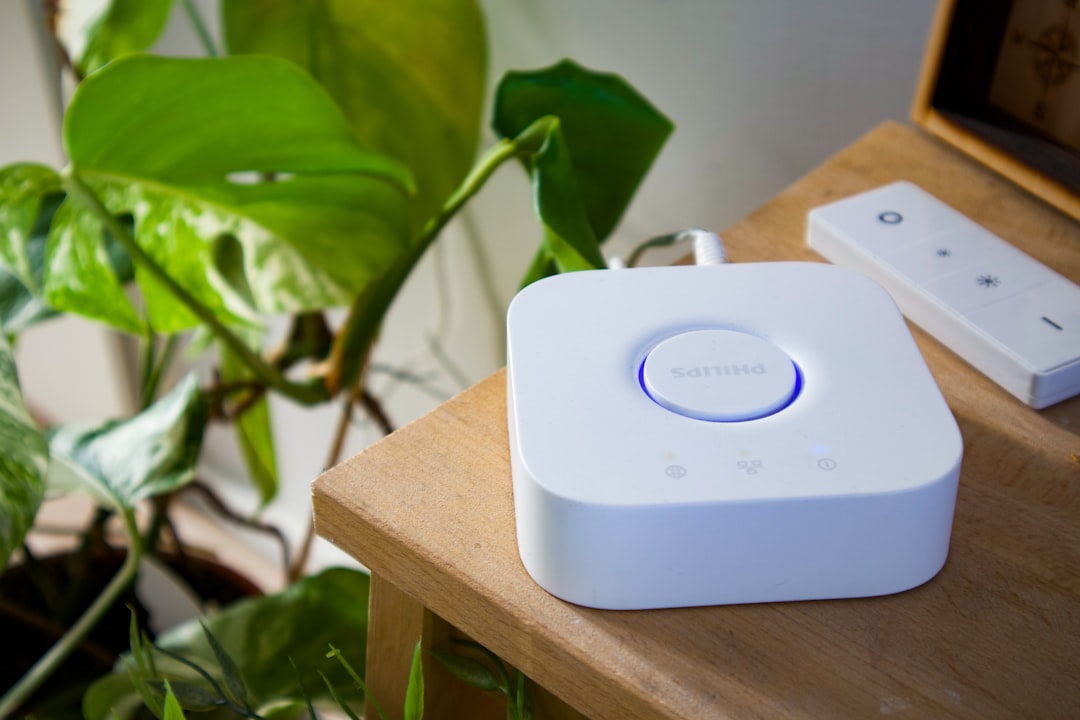
Best Smart Home Hubs 2026: The Only Comparison That Actually Matters
I've spent three months living with every major smart home hub on the market. After dealing with flaky connections, incompatible devices, and that moment at 2 AM when every light in the house decided to turn on, I can tell you exactly which hub is worth your money.
The honest truth: there's no perfect smart home hub. The "best" one depends entirely on your budget, technical comfort level, and which devices you already own. But I can tell you which trade-offs make sense for which people.
Let me save you months of frustration.
What Is a Smart Home Hub, Anyway?
A smart home hub is the brain of your connected home. It's the device all your smart devices talk to, allowing them to work together even if they're from different manufacturers.
Why you need one: Without a hub, your Zigbee lights can't talk to your Z-Wave lock can't talk to your WiFi thermostat. A hub translates between protocols, creating one unified system.
The mess in 2026: We've spent years dealing with proprietary ecosystems. Amazon Alexa, Google Home, Apple HomeKit, Samsung SmartThings—all fighting for your kitchen. The new Matter protocol is finally bringing peace, letting devices work across ecosystems. But we're not fully there yet.
The Contenders at a Glance
| Hub | Best For | Price | Complexity |
|---|---|---|---|
| SmartThings | Most users | $80-100 | Low |
| Home Assistant | Power users | $50-250+ | High |
| Hubitat | Local-only crowd | $120 | Medium |
| Amazon Echo | Alexa fans | $35-140 | Low |
| Apple HomePod | Apple ecosystem | $299 | Low |
| Google Nest Hub | Google fans | $99-229 | Low |
SmartThings: The Safe Default
What it is: Samsung's smart home platform. Works with more devices than any other hub.
What it's like: Setup takes 15 minutes. You download the app, add devices, create routines. It just works—most of the time.
What I actually experienced after 6 months:
- Added 40 devices without major issues
- Routines like "Good Morning" (lights on, thermostat up, coffee maker start) work reliably
- The app gets sluggish occasionally
- Cloud-dependent—if your internet goes down, automations stop
- Recent changes: Samsung shifted to a new app, and some legacy integrations broke
- Massive device compatibility (Zigbee, Z-Wave, WiFi, Matter)
- Good automation capabilities
- Active community for help
- Relatively affordable
- Cloud dependency is real—you don't control your data
- The new SmartThings app is… not great
- Reliability has slipped since Samsung's restructuring
- Setup took 8 hours (including learning the interface)
- Once working, it never failed. Local processing means no cloud, no internet dependency
- Dashboard customization is incredible—I built exactly what I wanted
- Every device I own works together
- Updates occasionally break things (open-source reality)
- Completely local—no cloud, no subscription, your data stays home
- Infinite customization
- Works with literally everything
- Active development and community
- Steep learning curve
- Requires technical comfort (config files, integrations)
- Support is community forums, not a company
- Hardware cost + your time = significant investment
- Raspberry Pi 4 ($50-75 + case)
- Home Assistant Yellow ($150, purpose-built)
- Old laptop (free if you have one)
- Everything runs locally—lights respond instantly
- Setup is harder than SmartThings but easier than Home Assistant
- The hub itself is powerful (Zigbee, Z-Wave, Matter all onboard)
- No cloud = no subscriptions, no internet dependency
- Truly local processing
- Excellent Zigbee/Z-Wave support
- Faster automations than cloud-dependent systems
- One-time purchase, no subscription
- Smaller community than SmartThings
- UI is dated
- Less WiFi device support natively
- Learning curve is real
- "Alexa, turn off living room lights" works perfectly
- As a hub for simple automations, it suffices
- Zigbee support means basic bulbs and switches work
- The speaker quality is actually good (especially Echo Studio)
- Matter support for newer devices
- You get a good speaker + hub combo
- If you love Alexa anyway, it's convenient
- Zigbee hub built-in on most models
- Large Alexa ecosystem for automations
- Limited compared to dedicated hubs
- Still cloud-dependent
- Not great for complex setups
- Privacy concerns with Amazon
- Not all "legacy" devices have been updated
- Matter Thread and Matter over WiFi behave differently
- Some features still require brand-specific apps
- Smart bulbs (Philips Hue): $15-50 each, color changing, easy
- Smart switches ($50-80): One switch controls all lights on that circuit
- Smart bulbs/switches: $200-500 for a house
- Professional installation (if needed): $500+
- Recurring: Electricity (negligible), potential subscription (SmartThings free)
The good:
The bad:
Who it's for: If you want the most compatibility without becoming a tech enthusiast, SmartThings is the safe choice.
Home Assistant: The Power User Dream
What it is: An open-source platform you run on your own hardware (a Raspberry Pi, old laptop, or dedicated box).
What it's like: This is Linux for smart homes. You control everything, but you configure everything.
What I actually experienced:
The good:
The bad:
Who it's for: If you enjoy tweaking systems, want complete control, or have technical background. Not for casual users.
Hardware options:
Hubitat: Local-Focused Middle Ground
What it is: A local-only hub that prioritizes speed and privacy over cloud features.
What it's like: More capable than SmartThings, less complex than Home Assistant.
What I experienced:
The good:
The bad:
Who it's for: Users who want local control without Home Assistant's complexity. Power users who are done with cloud headaches.
Amazon Echo: It's a Speaker That Happens to Be a Hub
What it is: Alexa in a speaker. Some Echo devices (Echo Show, Echo Hub) can act as Zigbee hubs.
What it's like: If you're already all-in on Alexa, the built-in hub works. If you're not, it's limited.
What I experienced:
The good:
The bad:
Who it's for: Alexa householders who want simple smart home control. Not for serious automation enthusiasts.
Matter: The Future (That's Here Now)
What it is: A new protocol designed to make all smart home devices work together, regardless of brand or ecosystem.
The promise: Buy any Matter device, it works with any Matter hub, done.
The reality in 2026: Good, but not perfect.
Matter devices are now widely available. SmartThings, Home Assistant, Apple, Google—all support Matter. But:
The verdict: Matter makes starting a smart home easier. For new setups, prioritize Matter devices. But keep a hub that supports both Matter and legacy protocols for your existing devices.
Direct Comparison: Which Should You Actually Buy?
| Scenario | My Pick | Why |
|---|---|---|
| New to smart homes | SmartThings | Works out of box, massive compatibility |
| Tech enthusiast / privacy first | Home Assistant | Complete control, local only |
| Want local, less complexity | Hubitat | Local speed, moderate learning curve |
| Already in Alexa ecosystem | Amazon Echo | Convenience + good speaker |
| Apple household | Apple HomePod | HomeKit works beautifully |
| Budget starter | Echo Dot + SmartThings | Under $100 to start |
The Hidden Costs Nobody Talks About
Smart bulbs vs smart switches: This debate will ruin your weekend if you don't decide upfront.
My take: Smart switches for main lights (more reliable), smart bulbs for accent/lamp lighting.
Hub hardware cost isn't your total cost:
Setup Tips From Someone Who Learned the Hard Way
FAQ
Q: Can I use multiple hubs?
A: Yes, but it gets complicated. Some devices can only pair with one hub. A well-configured Home Assistant can actually bridge multiple ecosystems.
Q: Do smart homes use a lot of electricity?
A: Negligible. A hub uses less than $5/year in electricity. The lights themselves use what they would normally.
Q: What happens if the company behind my hub shuts down?
A: Has happened (Wink, for example). With Home Assistant, you're safe—it's open source. With SmartThings, you're trusting Samsung. Cloud dependency is real risk.
Q: Can I start small and expand?
A: Yes. Start with 2-3 devices and a basic hub. Add more as you learn what you actually want.
Q: Is smart home worth the cost?
A: For convenience, yes. For entertainment value, absolutely. For actual energy savings, marginal. For peace of mind (security, automation), priceless for some people.
My Honest Recommendation for 2026
If you're starting fresh: Get a SmartThings hub, buy Matter-enabled devices where possible, and build from there.
If you want to learn and have time: Home Assistant on a Raspberry Pi. The setup is a weekend project, but you'll understand your entire system.
If you're done experimenting: Hubitat. Local, reliable, less community support but rock-solid.
Whatever you choose: Start simple, expand slowly, and remember: the goal is making life easier, not building a technology showcase.
Ready to start your smart home journey? Pick one room, buy a starter kit, and see what you think.
Written by Emma Wilson. All rights reserved.