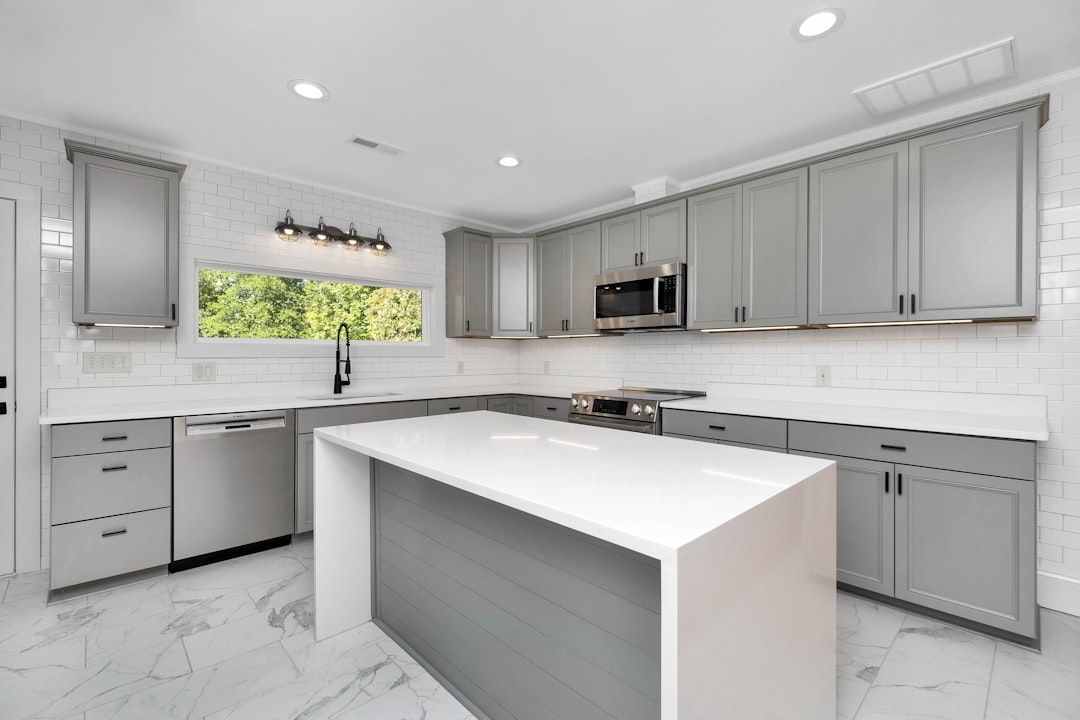
DIY Kitchen Organization: Maximize Your Space Like a Pro
After renovating over 50 kitchens for clients, I have learned that the secret to a functional kitchen is not more cabinets – it is better organization. In this comprehensive guide, I will share the strategies that have transformed chaotic kitchens into efficient cooking spaces.
A well-organized kitchen saves time, reduces stress, and makes cooking enjoyable. Whether you have a spacious gourmet kitchen or a compact apartment kitchen, these tips will help you maximize every inch of space.
Assessing Your Current Kitchen
Before buying organizers or reorganizing, take stock of what you have:
The Inventory Process
- Remove everything from cabinets and drawers
- Group items by category (bakeware, pots, utensils)
- Check expiration dates on food items
- Identify items you have not used in a year
- Donate or discard things you do not need
Identifying Problem Areas
Common issues include:
- Deep cabinets where items get lost in back
- Too many duplicate items
- Missing organization systems
- Poor use of vertical space
- Counter clutter
Essential Storage Solutions
1. Pull-Out Pantry Shelves
Transform deep cabinets with pull-out shelving systems. These range from $100-300 and dramatically improve access.
Installation tip: Measure your cabinet interior carefully before ordering.
2. Drawer Organizers
Customize drawer layouts with adjustable dividers. This $20 investment transforms messy drawers.
My favorite: Bamboo organizers are durable and attractive.
3. Vertical Storage
Use wall space for frequently used items:
- Magnetic knife strips
- Hook systems for mugs
- Wall-mounted spice racks
- Ceiling-mounted pot racks
4. Under-Shelf Baskets
Add a second level of storage in existing cabinets. These $10-30 baskets hang from shelf edges.
5. Lazy Susans
For corner cabinets, rotating shelves make every item accessible.
Zone-Based Organization
The most efficient kitchens are organized by zones – groups of items used together in the same area.
The Prep Zone
Located near the cutting board, this zone should include:
- Chef knives
- Cutting boards
- Mixing bowls
- Measuring cups and spoons
- Prep utensils
The Cooking Zone
Near the stove, store:
- Pots and pans
- Cooking utensils
- Oil and vinegar
- Frequently used spices
The Baking Zone
Near the oven, keep:
- Baking sheets
- Muffin tins
- Measuring ingredients
- Mixing bowls
The Cleanup Zone
Near the sink:
- Dish soap
- Sponges
- Cleaning supplies
- Dish drying rack
DIY Organization Projects
Project 1: Pegboard Wall Organizer
This customizable system keeps tools visible and accessible.
Cost: $40-60
Time: 2-3 hours
Materials:
- Pegboard sheet
- Pegboard hooks (assorted)
- Frame materials
- Mounting hardware
Project 2: Pull-Out Spice Rack
Install pull-outs in narrow cabinets for spices.
Cost: $50-80
Time: 3-4 hours
Project 3: Vertical Plate Rack
Store plates vertically to save cabinet space.
Cost: $30-50
Time: 2 hours
Maintenance System
Organization is not a one-time project – it requires ongoing maintenance.
Weekly Tasks
- Wipe counters and stovetop
- Organize items that have migrated
- Put away items left out
Monthly Tasks
- Check expiration dates
- Deep clean appliances
- Reorganize pantry
Quarterly Tasks
- Major reorganization
- Donate unused items
- Deep clean all cabinets and drawers
Budget-Friendly Tips
You do not need expensive solutions:
- Repurpose shoeboxes as drawer organizers
- Use command hooks for hanging mugs
- Install tension rods vertically for lid storage
- Use magazine files for cutting boards
- Repurpose containers from food products
Common Mistakes to Avoid
- Buying organizers first: Assess what you have first
- Over-organizing: Simple is better
- Ignoring the fridge: Apply the same principles to refrigeration
- Not labeling: Labels help everyone in the household
My Kitchen Transformation Journey
When I first moved into my home, my kitchen was chaotic. After applying these principles, I transformed it into a space where everything has a place. The key was taking time to really think about how I use the space, not just buying organizers because they were on sale.
Conclusion
A little organization goes a long way. Start with one cabinet or drawer, master it, then move to the next area. Remember that the goal is not perfection – it is functionality and ease of use.